ACE Reviews — Authentication, Community & Experts: Bringing Transparency and Consumer Protection to Authentication, Powered by Authenticate Pro.
-

The Resale Store Owner’s Playbook: How to Build an Ironclad Authentication Standard in 3 Simple Steps
How many times a week does a customer ask, “Is this real?” For resale stores, pawnshops, Plato’s Closet locations, Style Encore stores, Clothes Mentor franchises, and independent thrift shops, the question is more than routine. It signals risk. A counterfeit item can lead to: Counterfeit returns Payment chargebacks Lost revenue Damaged customer trust Reputation risk…
-
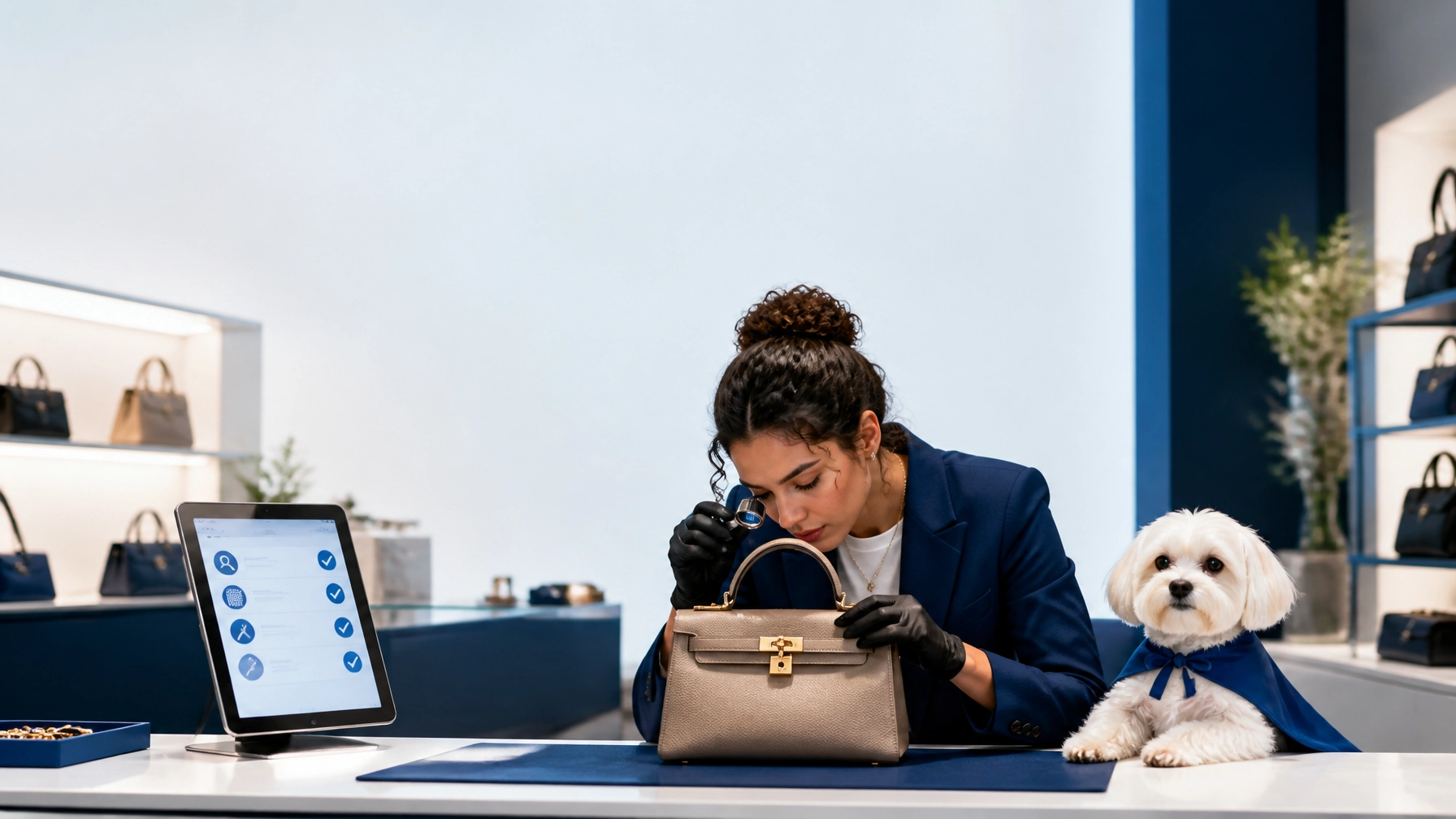
How to Train Your Staff to Spot a Fake in Under 60 Seconds
How many times a week does a customer ask, “Is this real?” Your staff do not need to become expert authenticators overnight. They do need a consistent way to identify obvious red flags, protect your store, and know when to escalate an item for professional authentication. The goal is not to make a definitive authenticity…
-

How to Authenticate Luxury Items Online Without Leaving Your Living Room
Buying luxury items from an estate sale, thrift store, Poshmark, eBay, or Facebook Marketplace can be profitable. It can also be expensive. One convincing counterfeit can cost you the purchase price, shipping, platform fees, customer trust, and future sales. Superfakes make the problem worse. They may copy the shape, branding, packaging, and serial details of…
-

Why “We Don’t Sell Fakes” Isn’t a Strategy : It’s a Liability
How many times a week does a customer ask, “Is this real?” If your answer is, “We don’t sell fakes,” you may be stating your intention. You are not describing a process. That distinction matters. Counterfeits enter legitimate resale businesses every day. They can arrive through consignors, online suppliers, estate purchases, pawn transactions, marketplace listings,…
-

Authentication as a Marketing Tool: How to Charge More When You Can Prove It’s Real
How many times a week does a customer ask, “Is this real?” For resale stores, pawn shops, consignment businesses, and online thrifters, that question can stop a sale. It can trigger price haggling. It can make a customer walk away from a genuine designer handbag or premium sneaker because they do not feel confident enough…
-
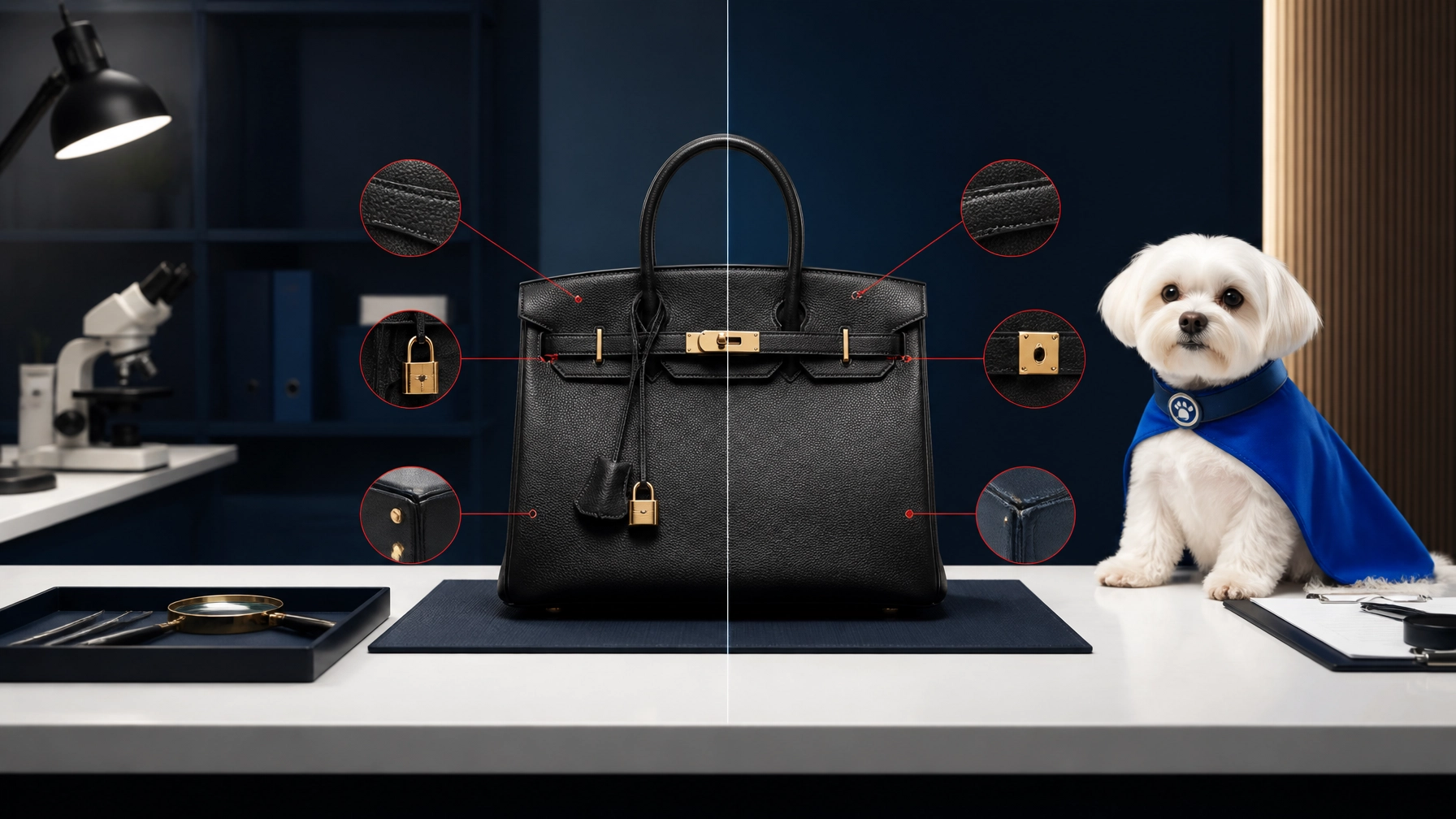
Superfakes Are Getting Scary Good : Here’s How to Stay Ahead in 2026
How many times a week does your customer ask, “Is this real?” For resale stores, pawn shops, and online sellers, that question carries real financial risk. One convincing counterfeit can lead to: Lost inventory Refunds and chargebacks Damaged customer trust Negative reviews Reputation loss Thousands of dollars in missed revenue In 2026, traditional visual checks…
-
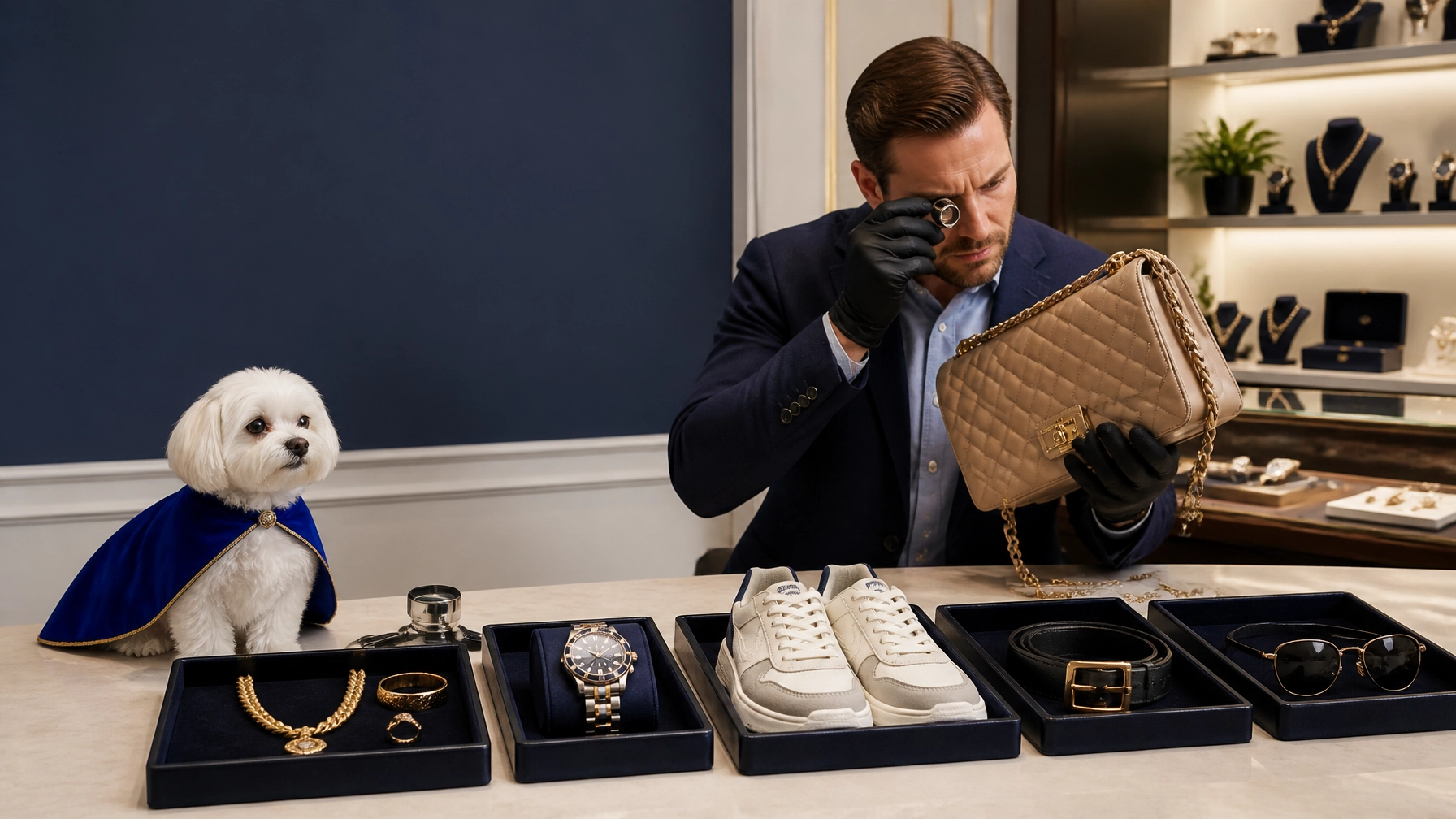
The Most Commonly Faked Items at Pawn Shops (and How to Catch Them)
A counterfeit walking through your door costs more than the purchase price. It can lead to: Lost inventory value Refunds and chargebacks Customer complaints Reputation damage Legal and compliance problems Staff time spent resolving a preventable mistake How many times a week does a customer ask, “Is this real?” Your answer needs to be backed…
-

Pawn Shop Authentication 101: What to Look for When Louis Vuitton Walks In
A Louis Vuitton bag can bring strong resale value: or serious risk. How many times a week does a customer ask, “Is this real?” For pawn shops and resale stores, the answer cannot depend on a quick glance, a date code, or a seller’s receipt. A reliable pawn shop authentication process uses multiple checkpoints: Materials…
-

Why ‘We Don’t Sell Fakes’ Isn’t a Strategy : It’s a Liability
How many times a week does a customer ask, “Is this real?” For pawn shops and resale stores, that question is not just about customer confidence. It is a risk signal. A counterfeit handbag, watch, sneaker, or piece of jewelry can create: Lost inventory cost Refund and chargeback disputes Operational disruption Reputation damage Customer complaints…
-
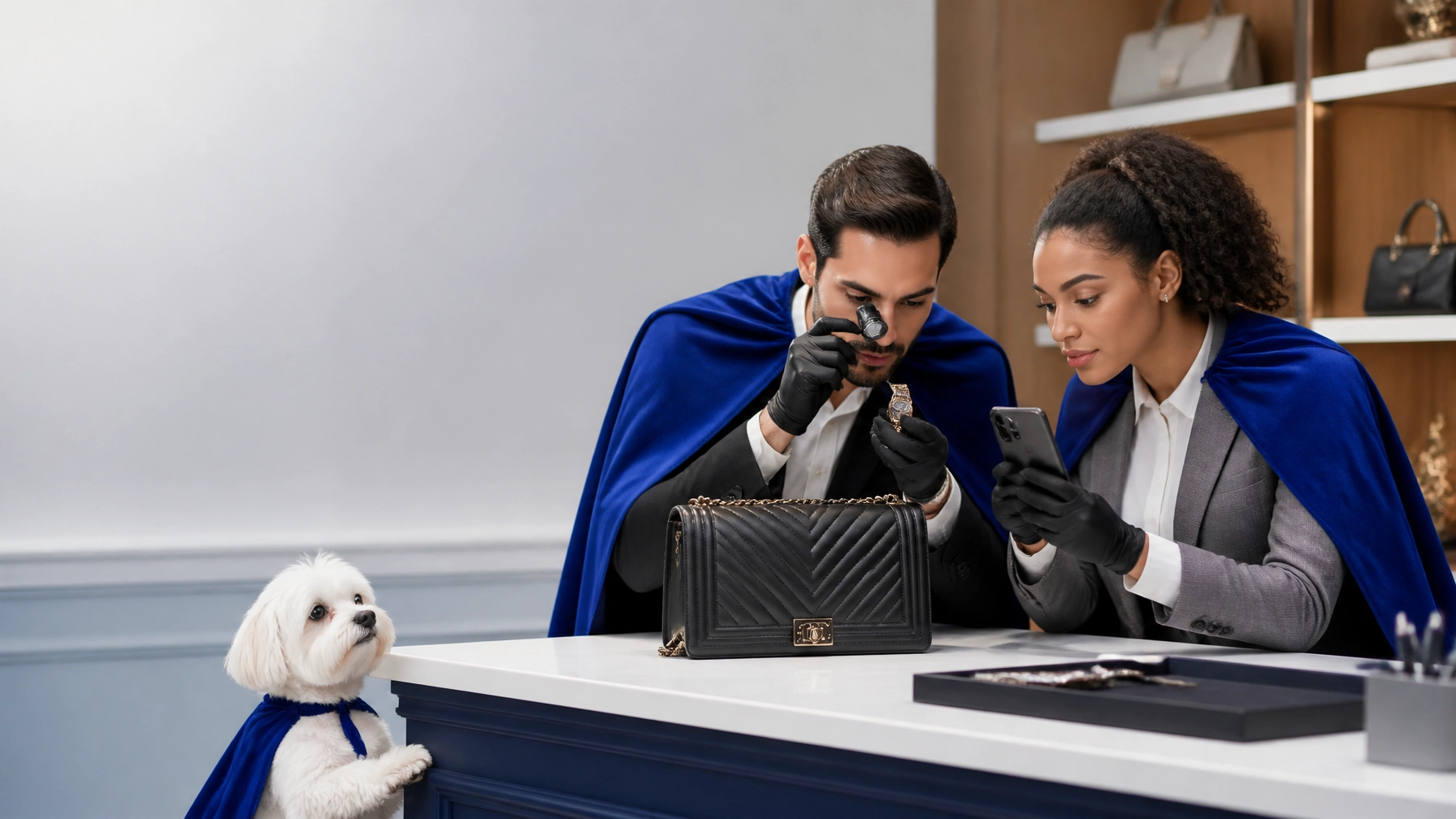
How to Train Your Staff to Spot a Fake in Under 60 Seconds
How many times a week does a customer ask, “Is this real?” For resale stores, pawn shops, online thrifters, and TikTok sellers, the answer can affect more than one sale. A counterfeit item can lead to: Lost revenue Refunds and chargebacks Damaged customer trust Negative reviews Brand and marketplace complaints Staff uncertainty at the buying…
Got any book recommendations?