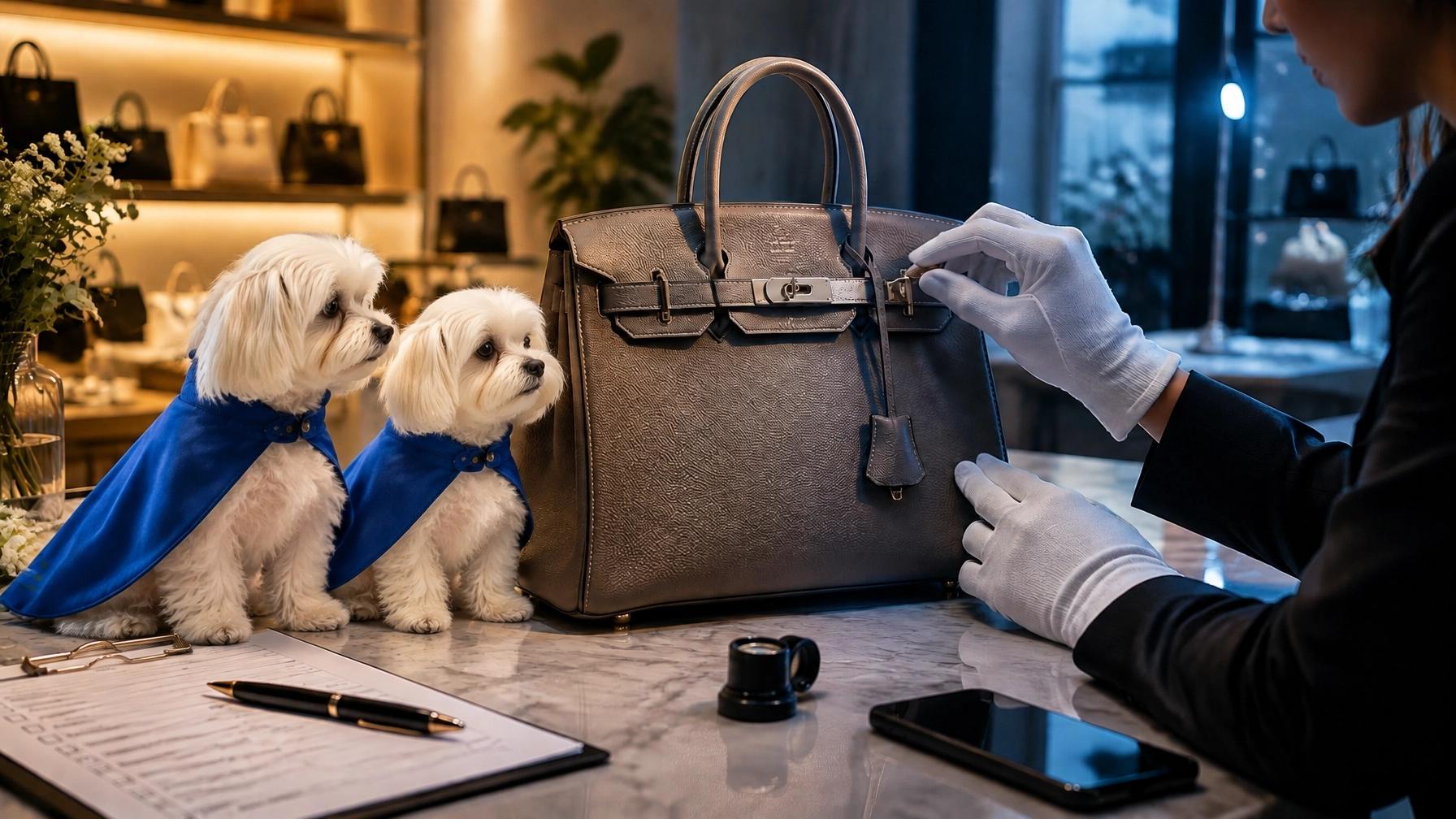
One accidental counterfeit sale used to feel like a customer-service problem: refund the buyer, take back the item, and move on.
In 2026, it can become a legal problem. Luxury brands are suing resale businesses directly, and a reseller’s sourcing and authentication practices are drawing more scrutiny. A refund may resolve a customer complaint. It does not necessarily resolve a trademark claim.
For resale stores, pawn shops, consignment shops, and online sellers, the practical question is clear: What can you show about how you sourced, assessed, and described the item?
This article provides general information, not legal advice. The outcome of any dispute depends on its specific facts and applicable law.
The counterfeit supply problem is growing
U.S. Customs and Border Protection (CBP) seized nearly 79 million counterfeit items in fiscal year 2025, with a stated retail value of more than $7.3 billion if the goods had been genuine. That compares with roughly 32 million items and $5.4 billion in FY2024, according to Fashion Law Journal’s reporting on CBP data.
Those values are estimates based on the genuine goods’ retail prices. They are not a measure of proven brand losses or counterfeit sales.
China and Hong Kong accounted for about 67% of the seized quantity in FY2025, the same reporting says. It also describes a shift toward commercial freight and suggests the end of the de minimis exemption contributed to more fakes moving through bulk channels. The trend is a reminder that counterfeit risk is not limited to small parcels bought online. Goods can move through more complex supply chains before reaching a resale counter.
CBP explains the broader impact of counterfeit trade and its border-enforcement work on its Intellectual Property Rights page.


Brands are suing resale now, not just street vendors
Two high-profile disputes put resale operations in the spotlight.
Chanel v. What Goes Around Comes Around
Chanel’s federal case against luxury reseller What Goes Around Comes Around (WGACA) has continued into 2026. A jury found WGACA liable on several claims, including trademark infringement, false association, unfair competition, and false advertising. The district court entered a permanent injunction and awarded Chanel $4 million in statutory damages tied to counterfeit handbags, along with disgorgement of profits in connection with other items. WGACA’s appeal was pending in the Second Circuit as of October 2026. See The Fashion Law’s case coverage.
This case is not a blanket ban on reselling genuine pre-owned Chanel goods. It does show that disputes can involve more than whether an item is authentic: brand presentation, authentication claims, and the way a reseller uses trademarks may also matter.
Gucci v. Gilt and Rue La La
In a separate pending case reported by The Fashion Law on October 7, 2026, Gucci alleges that four handbags sold through Gilt and Rue La La were counterfeit. The lawsuit puts a specific question under scrutiny: What steps did a resale seller take to assess the goods it offered?
These are allegations, not a final court finding. Still, the cases make one thing plain: resale businesses should be prepared to explain their sourcing, inspection, and authentication process, not just their refund policy.

“I didn’t know” and “I told them it might be fake” are not safe harbors
A seller may feel that an honest mistake, or a clear disclosure, should settle the issue. But those facts do not automatically prevent a trademark claim.
In its October 12, 2026 advisory, BakerHostetler explains the risk of post-sale confusion. In general terms, the concern is that someone who sees a product after it has been sold may mistake it for a genuine or authorized item. That can be relevant even if the original buyer knew the item was a replica or was told it might be fake.
This is not a conclusion that every resale dispute will result in liability. The legal analysis depends on the facts, the claims, and the applicable law. But a label saying “replica” should not be treated as a substitute for a responsible intake process, or as a guarantee that a sale is legally safe.
The safer business decision is to avoid offering an item as a branded product when you cannot establish that it is genuine. If authenticity is uncertain, pause the listing or sale and seek qualified review.
What could a reseller lose?
Depending on the claims and outcome, a civil case can seek or result in measures such as:
- An injunction restricting sales, advertising, or other conduct.
- Disgorgement of profits associated with the challenged sales.
- Statutory damages where the law allows them.
- Time and expense responding to litigation, revising listings, and reviewing inventory.
The Chanel case demonstrates that these remedies can be significant. It does not mean the same outcome applies to every shop or accidental sale. Risk depends on the circumstances, and a lawyer can advise on a specific situation.
What protection looks like in practice
A documented process cannot guarantee that a dispute will never arise. It can help your business make better decisions and show what steps it took.
Authenticate Pro’s Patented ACE process is built around Authentication · Community · Experts. When an item needs authentication, it moves to human experts for final review. Authenticate Pro reports approximately 99% accuracy.
For resale businesses, the value is a clear escalation step when an item is valuable, unfamiliar, or difficult to assess. It also gives staff a consistent way to pause instead of guessing.

A due-diligence checklist to implement this week
At intake
- Record the seller’s details and the source of the item, consistent with your policies and local requirements.
- Photograph the item from multiple angles, including marks, hardware, labels, serial details, and wear.
- Save the intake date, staff member, seller statements, and any available receipts or provenance documents.
- Flag high-value, frequently counterfeited, or unfamiliar items for additional review.
Before listing or sale
- Do not rely on price, packaging, or a single visual detail as proof of authenticity.
- Escalate uncertain items to professional authentication before describing or selling them as genuine.
- Keep authentication reports and supporting records tied to the item.
- Write product descriptions accurately. Avoid claims you cannot document.
- Use brand names only as needed to identify goods, and avoid wording or imagery that could imply brand affiliation or endorsement.
If a concern comes up after sale
- Preserve the listing, intake file, communications, payment records, and any authentication documentation.
- Respond promptly and consistently under your return policy.
- Do not relist an item while its authenticity is in question.
- Seek legal advice if you receive a demand letter, complaint, or formal notice.
Build a process before the next questionable intake
A counterfeit can cost more than the item’s purchase price. It can consume staff time, disrupt sales, and expose a shop to a dispute that is harder to resolve once the item has changed hands.
Start with clear documentation, consistent listing language, and a reliable way to escalate questionable items. You can review Authenticate Pro’s reseller membership options, compare current authentication pricing, or book a 15-minute conversation.
For questions, call 800-395-7172.
Leave a Reply