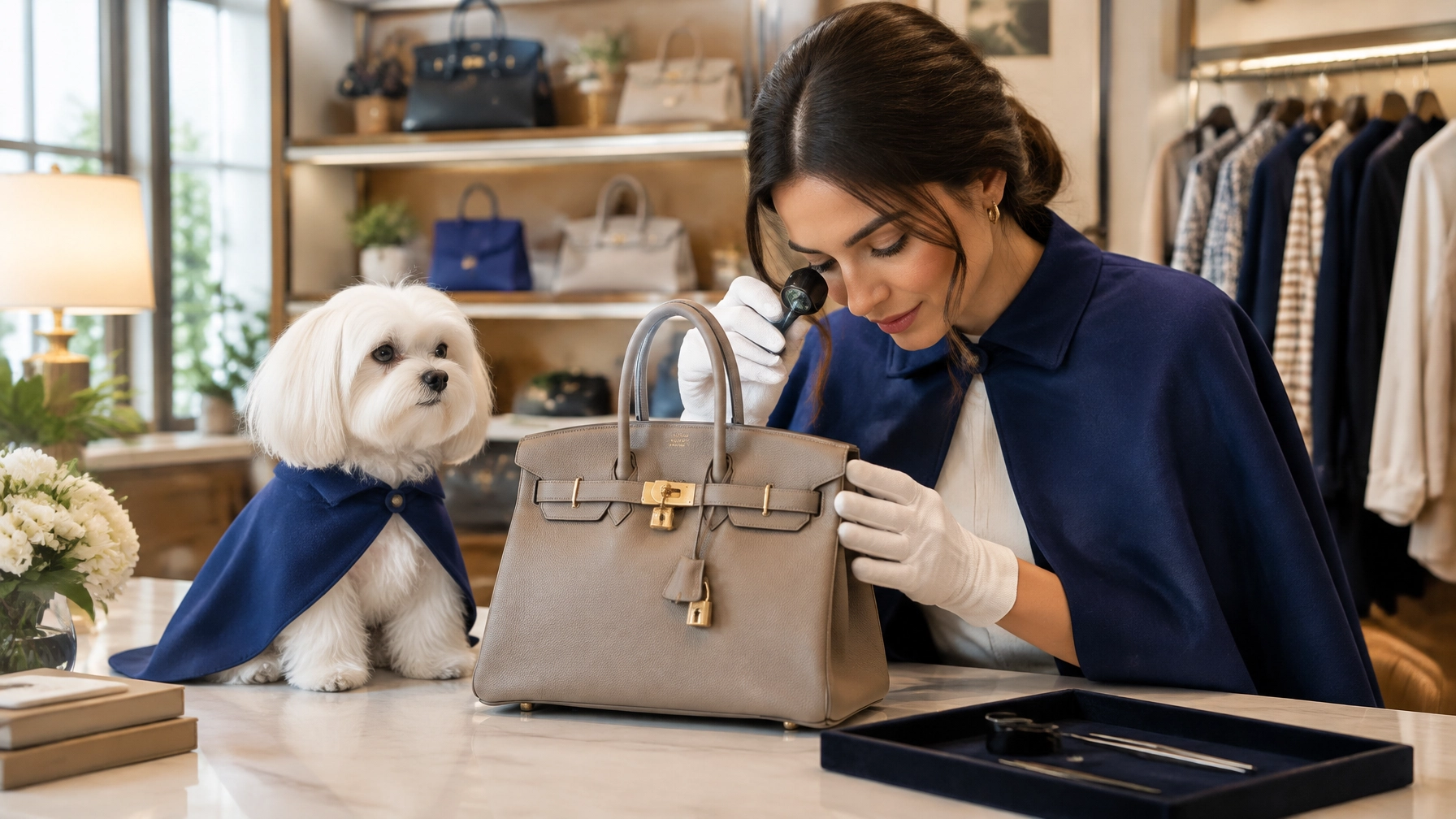
A customer sees the same designer bag at two resale shops. One listing says “pre-owned, great condition.” The other says it has been authenticated and explains how the buyer can verify it.
Which shop gives the customer a reason to choose, and trust, a higher price?
In a crowded resale market, proof of authenticity can help a small shop stand apart from larger platforms. It turns “We believe it’s real” into a stronger, more specific reason to buy.
Resale is growing. So is the need to stand out.
ThredUp and GlobalData’s 2026 Resale Report estimates that the global secondhand apparel market grew 13% in 2025 to about $347 billion. It projects the market will reach $393 billion by 2030.
In the United States, the secondhand apparel market reached $55.5 billion in 2025 and is projected to grow to $78.8 billion by 2030.
That growth brings opportunity. It also means more competition for customers who compare listings, prices, condition, and seller confidence before buying.
The report found that 39% of shoppers say AI would increase their confidence in the authenticity of items bought through peer-to-peer resale platforms. And 60% of Gen Z and Millennial shoppers say integrated resale features make them trust brands more.
These figures don’t mean AI alone proves an item is genuine. They point to something important: buyers value tools and signals that make resale feel more trustworthy. For a local resale store, expert-backed authentication can be one of those signals.
Make proof part of the offer, not an afterthought
A premium price needs a clear reason. For a luxury resale item, that reason can include:
- A professional authentication process
- Clear documentation customers can review
- A way to preserve the item’s link to its authentication, where applicable
- Staff who can explain the next step if a buyer has questions
A label that says “authentic” is a claim. A transparent process gives the customer more context for that claim.
That distinction matters at the counter, in a product listing, and in social media posts. Instead of relying on broad language like “100% real,” explain what your shop does to support buyer confidence. Be clear about what the authentication covers, how the customer can access information, and any conditions that apply.
Never promise certainty beyond what your process supports. Specific, honest details build more confidence than oversized claims.

Small shops can compete on confidence
Big marketplaces may have huge audiences. Your shop can compete with personal service, careful curation, and a straightforward way to address a buyer’s biggest concern: “Is this real?”
That matters for resale stores, pawnshops, consignment shops, and online sellers. A buyer may not know your business yet. They may be weighing your listing against a larger platform or another local seller. Visible proof can help turn a first-time shopper’s hesitation into a reason to consider your item.
It can also make the value of your service easier to explain. You are not only selling a bag, watch, or pair of shoes. You are offering the item along with a process that helps the customer feel more secure about the purchase.
A partner store, Clothes Mentor Reno, described authentication as a value-add service that gives customers confidence buying high-dollar goods and helps the store stand out from competitors. Read more feedback on the Authenticate Pro membership page.
Explain how the authentication works
Customers don’t need a technical lecture. They do need a clear answer when they ask what “authenticated” means.
With Authenticate Pro, item information and photos are submitted for review. Authentications move to human experts, with expert review supporting approximately 99% accuracy. That human step matters: AI can support discovery and shopper confidence, but it should not be presented as a substitute for expert authentication.
Authenticate Pro’s Patented ACE model stands for “Authentication · Community · Experts”. The model reflects a service built around authentication, a community of resale partners, and human expertise.
When you describe your process, keep it simple:
- Tell the customer what the service is.
- Explain how the item is submitted or reviewed.
- Point out how the customer can view the result or report.
- State any deadlines, item conditions, or other requirements clearly.
A customer who understands the process is more likely to understand why your price may differ from an unsupported listing.

Put proof where the buyer makes a decision
Authentication only helps market an item if customers can see it. Make it easy to find at the moment of hesitation.
In-store: Train staff to mention authentication when presenting eligible luxury items. Place approved marketing materials where customers browse or check out. Give employees a short, accurate explanation they can repeat.
Online: Add a concise note to the listing. Explain what has been authenticated, how a buyer can access the report, and any relevant conditions. Include clear photos of the item and any associated identification or security features your process requires.
On social media: Show how your shop handles authentication and answer common questions. Avoid presenting AI as the final decision-maker. Show the real process and the human expertise behind it.
After the sale: Give buyers clear instructions about how to access any included service. If eligibility depends on timing or an intact security tie, say so before checkout, not after a customer has a question.
Consistency is the goal. The listing, the staff explanation, and the customer’s follow-up instructions should all describe the same process.
Keep premium pricing credible
Authentication can support a premium price. It does not guarantee that every authenticated item will sell for more.
Brand, condition, rarity, demand, and local competition still matter. Check comparable items. Price within the market. Then use authentication to explain the added confidence and service included with your offer.
Ask your team:
- Do customers frequently ask whether luxury items are genuine?
- Can staff explain your authentication process in one or two sentences?
- Is proof visible in both listings and in-store displays?
- Are the conditions and customer steps easy to understand?
If the answer is no, improve the communication before assuming customers understand the value.
Make trust a reason to choose your shop
The resale market is expanding quickly. Buyers have more options, and more reasons to compare. For an independent shop, clear, expert-backed proof can make the difference between an unsupported claim and a more confident buying experience.
Explore Authenticate Pro’s membership options and pricing, or book a 15-minute conversation to discuss what could work for your store.
Leave a Reply