The secondary sneaker market is a gold rush, but where there is gold, there are bandits. Whether you are a dedicated sneakerhead hunting for your next grail or a thrift shop owner trying to flip a pair of Jordans for a profit, the risk is the same: fakes.
The "super-fake" or "UA" (Unauthorized Authentic) market has become so sophisticated that even seasoned pros get tripped up. Relying on gut feeling or outdated tricks isn't just risky: it’s expensive. Every fake that slips through your hands is a direct hit to your bank account and, more importantly, your reputation.
If you’re serious about your business, you need to stop guessing. Here are the 7 most common sneaker authentication mistakes that are costing you money and how a professional shoe authentication service can save your skin.
1. Relying Solely on the "Sniff Test"
We’ve all seen it. A reseller picks up a pair of Yeezys and takes a deep breath. "Smells like a retail pair," they say.
Stop right there.
While it’s true that certain factories use specific glues with distinct chemical odors, the "sniff test" is one of the least reliable ways to authenticate. Why? Because counterfeiters aren't stupid. They’ve started using high-quality adhesives that mimic the scent of retail pairs. Conversely, a legitimate pair that has been sitting in a damp basement or a smoke-filled room for three years will smell nothing like a "fresh" retail pair.
If your authentication process starts and ends with your nose, you’re essentially flipping a coin with your profit.
2. Ignoring the Hidden Details Under UV Light
If you aren't using a blacklight, you aren't really authenticating. Many high-end replicas look identical to the naked eye under natural light. However, under UV light, the truth comes out.
What to look for:
- Invisible Stamps: Many replica factories leave "QC" (Quality Control) stamps on the midsoles or tongues that are only visible under UV light.
- Glue Stains: While retail pairs have some glue traces, fakes often show excessive, sloppy glow-in-the-dark glue patterns along the seams.
- Thread Glow: Certain retail threads are treated with specific dyes that react to UV light in a way that replicas rarely replicate perfectly.
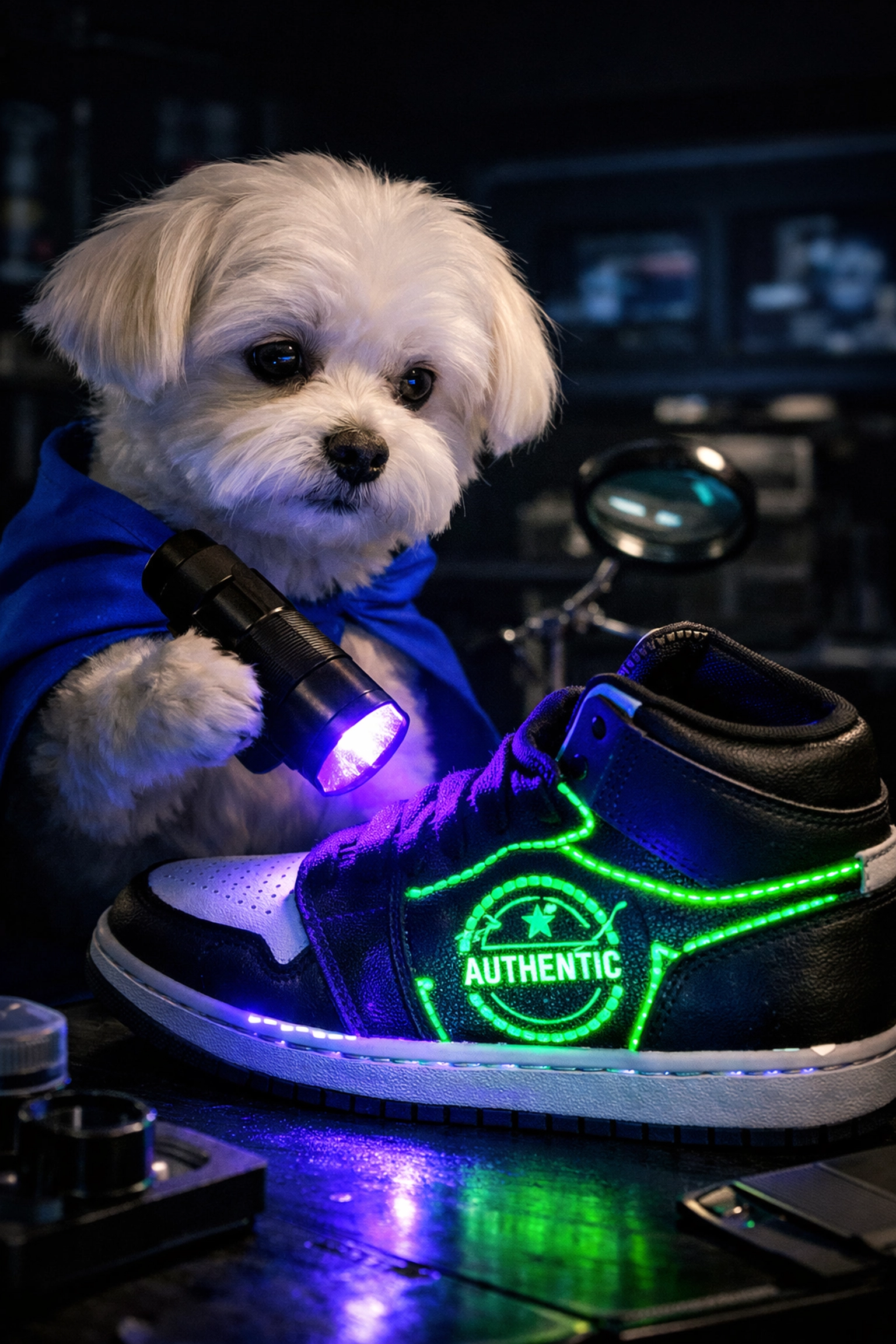
Missing these "hidden" tells is a rookie mistake. A professional sneaker authentication process always includes a deep dive into the spectrums the human eye can't see.
3. Overlooking the "Two Left Shoes" (Packing Errors)
Research shows that many rejections from major platforms like StockX don't even happen because the shoes are fake: they happen because of human error during packing. Sending mismatched sizes, two left shoes, or shoes with missing accessories results in automatic rejection fees.
For a thrift shop, this is a nightmare. You buy a pair at a bulk price, list them, and then get hit with a $15 or $20 penalty because you didn't check if the insoles were correct. Even worse, if you sell a mismatched pair to a customer, you’ve likely lost that customer for life.
Always verify the basics:
- Size tags match on both shoes.
- Left and right foot present.
- Insoles are the correct version for that specific model.
4. Judging a Shoe Without Judging the Box
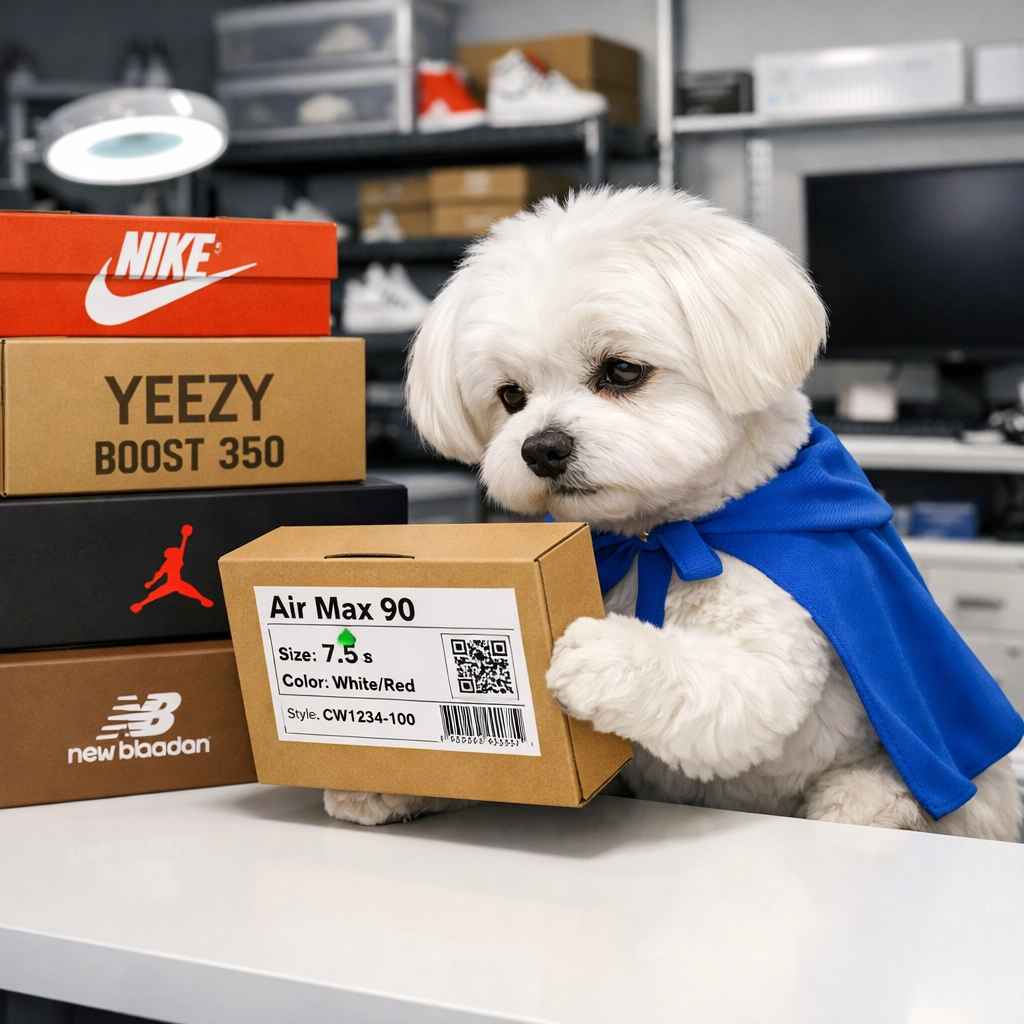
The box is often the "smoking gun" of a fake sneaker. Counterfeiters spend 95% of their budget on the shoe and 5% on the cardboard.
Common Box Blunders:
- Font Weight: The text on the size label is often too thin or too bold on replicas.
- Spelling Errors: You’d be surprised how many "Adidass" or "Nkie" boxes are still floating around.
- Box Construction: Authentic boxes are sturdy. Replicas often feel flimsy or have a different "sheen" to the cardboard.
- Label Alignment: If the sticker is crooked or the perforated edges look jagged, be wary.
A shoe authentication service doesn't just look at the leather; it looks at the entire package. If the box is wrong, the shoes are almost certainly wrong too.
5. The "Deal of a Lifetime" Blindness (Psychological Error)
This is the mistake that kills thrift shop margins. You find a pair of Travis Scott fragments at a local garage sale for $50. Your brain screams "JACKPOT!" and your critical thinking shuts down.
When the price is too good to be true, your brain wants the shoe to be real. This confirmation bias leads you to ignore red flags like wonky stitching or off-colored soles. In the authentication world, emotions are your enemy. You need a cold, calculated, and objective system to verify your finds.
6. Inconsistent Stitching and Material Quality
Retail sneakers are mass-produced, but they follow strict quality control guidelines. Replicas often fail on the "micro" level.
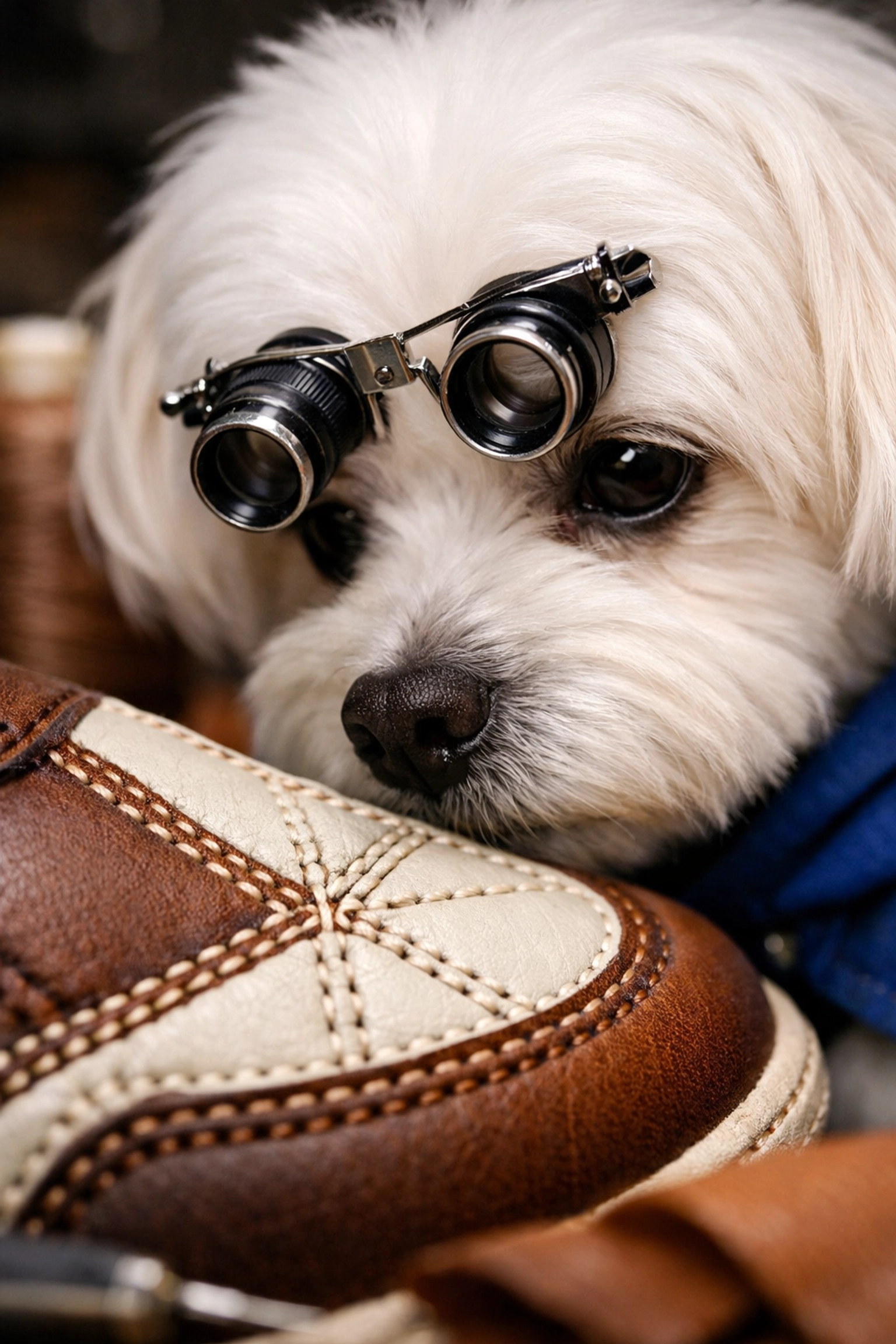
- Stitch Count: On high-end Jordans, the number of stitches per inch is incredibly consistent. Fakes often have longer, sloppier stitches.
- Material Feel: If the "suede" feels like sandpaper or the "leather" smells like a shower curtain, trust your hands.
- Weight: Replicas often use cheaper, lighter materials for the internal structures (like the shank plate). If a shoe feels "off" in weight compared to a known retail pair, it’s a major red flag.
Professional authenticators use high-resolution macro photography to compare these details against a database of known authentic pairs. Without that database, you’re just guessing.
7. Relying on a Single "Check" or Doing it Solo
The biggest mistake you can make is thinking you can do it all yourself with 100% accuracy. Even the biggest platforms make mistakes because they prioritize speed over depth. Human error is inevitable when you're looking at a thousand pairs a day.
This is where Authenticate Pro, Inc. changes the game. We don't just give you a "yes" or "no" based on a single person's opinion.
Why Authenticate Pro?
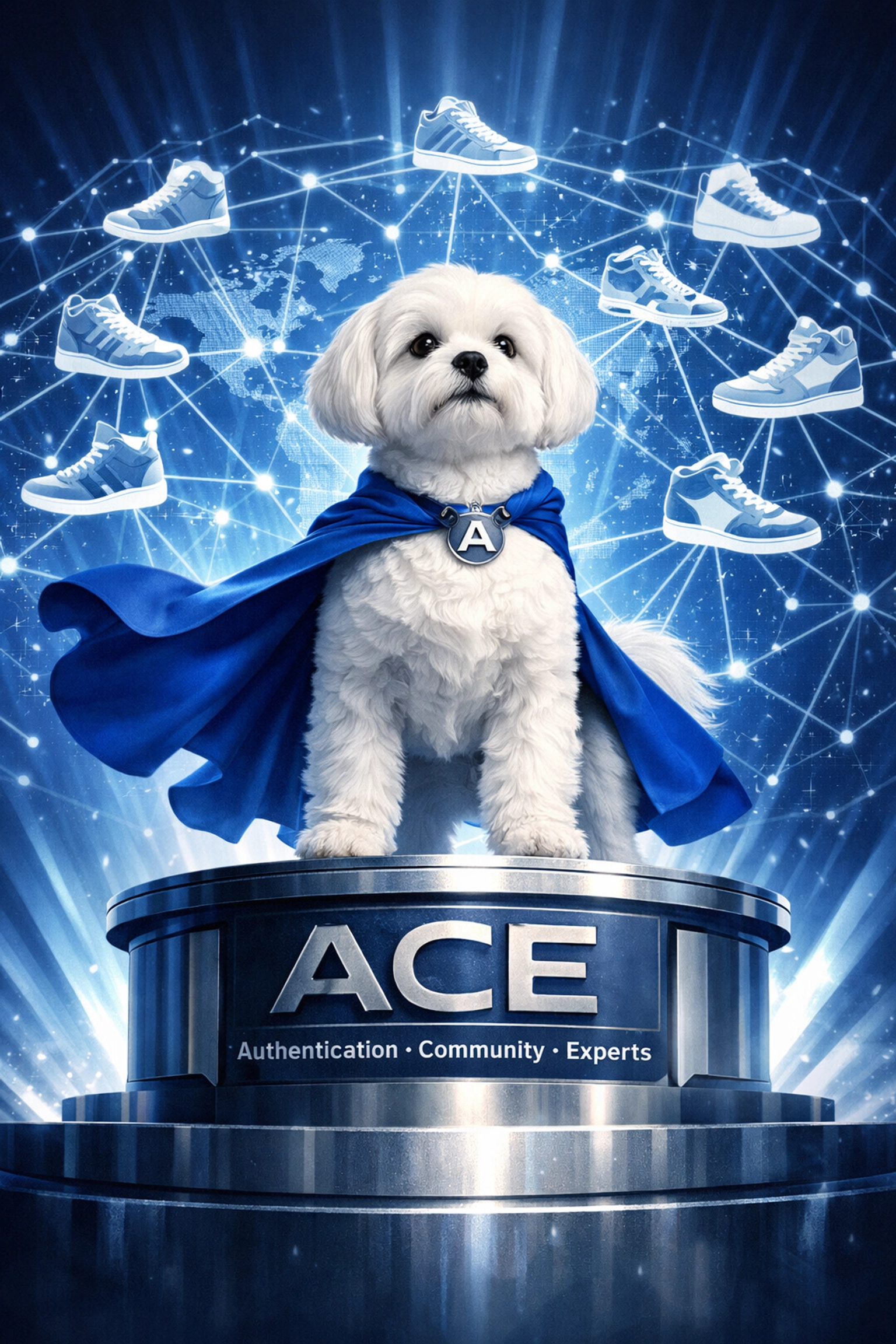
We utilize a Patented process that combines technology with human expertise. Our system is built on the foundation of ACE: Authentication · Community · Experts.
When you use our service, you aren't just getting an app; you're getting a shield for your business.
- Human-Centric Escalation: Our workflow is designed for accuracy. While we use advanced tools to assist, every authentication has the ability to move to human experts. This escalation process allows us to achieve ~99% accuracy.
- Trust and Transparency: For thrift shops and resellers, showing your customers an Authenticate Pro verification builds instant trust. It moves the conversation from "Is this real?" to "When can I buy it?"
- Reputation Insurance: One fake can ruin your shop's reputation. Our service ensures that your inventory is vetted by the best in the business.
How Much is Peace of Mind Worth?
Think about the last time you lost money on a return or a dispute. How much time did you spend arguing with a buyer or a platform?
By integrating a professional shoe authentication service into your workflow, you eliminate the "guesswork" that leads to these losses.
Our ACE Model (Authentication · Community · Experts) ensures that you have access to a network of specialists who know exactly what to look for, from the rarest vintage finds to the latest hype drops.
Stop Making Mistakes. Start Authenticating.
Whether you're a high-volume thrift shop or a collector, you can't afford to be wrong. Check out our Membership options or see our pricing to find a plan that fits your volume.
Don't let a "super-fake" take a bite out of your bottom line. Use a Patented system that puts the experts in your pocket.
Authentication · Community · Experts : That’s the Authenticate Pro promise.
Ready to protect your reputation? Visit us at Authenticate Pro and get started today.
Leave a Reply