We’ve all been there. You’re holding a pair of "Grails", maybe some Travis Scott Lows or a crisp pair of Off-White Chicagos. You lean in, take a deep breath, and inhale that sweet, sweet "New Shoe Smell." Your brain tells you, "Yep, that’s the scent of victory. These are definitely real."
I hate to be the one to burst your bubble, Ray, but if the "smell test" is your primary line of defense, you’re basically inviting scammers to take your lunch money.
In the modern resale market, "superfakes" have become so sophisticated that even seasoned sneakerheads are getting played. We aren't talking about those $20 knockoffs from a decade ago with the backwards Swoosh. We’re talking about high-tier replicas that use the same leather, the same thread counts, and, yes: even the same factory scent sprays as the originals.
Whether you’re running a pawn shop, a high-end resale boutique, or just trying to build a personal collection that won’t lose its value, "good enough" authentication isn't enough anymore. When thousands of dollars are on the line, you need a system, not a vibe.
Here are the 7 biggest mistakes people make with sneaker authentication and, more importantly, how to fix them before you swipe that card or hand over the cash.
1. The "Smell Test" Fallacy
Let’s address the elephant in the room. For years, the legend was that "authentic shoes smell like glue, and fakes smell like chemicals." While there was a grain of truth to that back in the day, replica manufacturers caught on.
Today, some of the top-tier fake factories actually use scent-matching technology to replicate the specific aroma of Nike and Adidas production lines. Relying on your nose in 2026 is like trying to authenticate a Picasso by licking the canvas. It’s weird, and it doesn't work.
The Fix: Ignore the scent. Focus on the structural integrity and the precision of the manufacturing. If you’re relying on your senses, use your eyes and a magnifying glass, not your nostrils.
2. Judging the Box Instead of the Shoe
This is the most common mistake in the book. A seller shows up with a pristine box, perfect labels, and even the "correct" tissue paper. You spend ten minutes scrutinizing the font on the box label and thirty seconds looking at the actual sneakers.
Here’s the truth: It is infinitely easier and cheaper to replicate a cardboard box than it is to replicate a complex sneaker. Scammers often put high-quality fakes inside genuine boxes they bought off eBay.
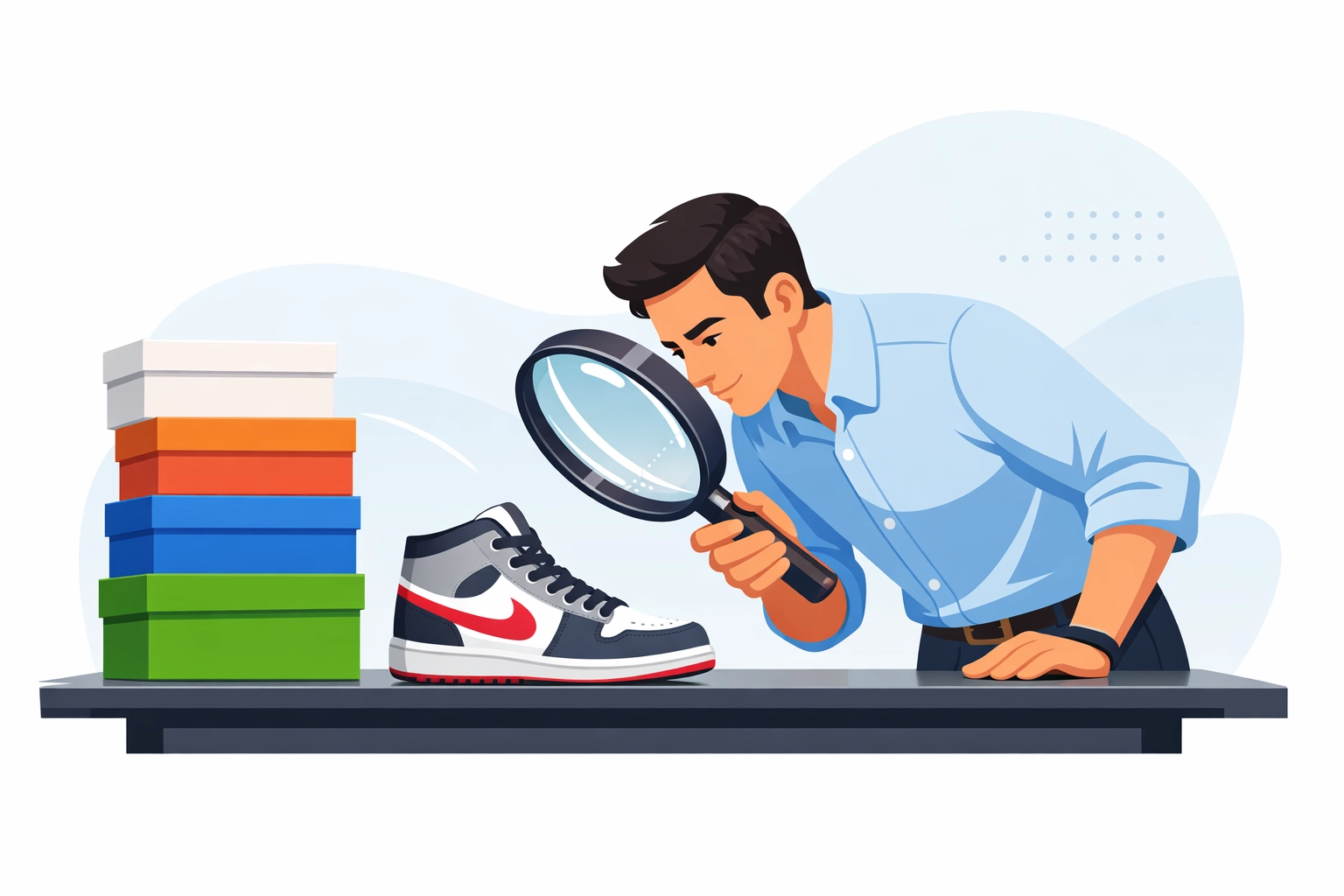
The Fix: Treat the box as secondary evidence. Your primary focus must always be the shoe itself. Look at the stitching, the tooling codes, and the interior construction. A "perfect" box should actually make you more suspicious, not less.
3. The "Receipt" Trap
"Don't worry, bro, I’ve got the original receipt from SNKRS/StockX/Flight Club."
Famous last words. In the age of high-resolution Photoshop and $50 thermal printers, a receipt is just a piece of paper. In fact, there are entire websites dedicated to selling "replacement" receipts for hype releases. If someone is pushing the receipt too hard, they’re usually trying to distract you from the flaws on the shoe.
The Fix: Never let a receipt dictate your decision. It can be part of the "provenance," but it shouldn't be the "proof." Always get the item verified by an objective third party like Authenticate Pro.
4. Overlooking the "Invisible" Details
Most people check the outside of the shoe: the logos, the leather quality, the colorway. But fakers have mastered the "exterior" because that’s what everyone sees. The real mistakes happen where the sun doesn't shine.
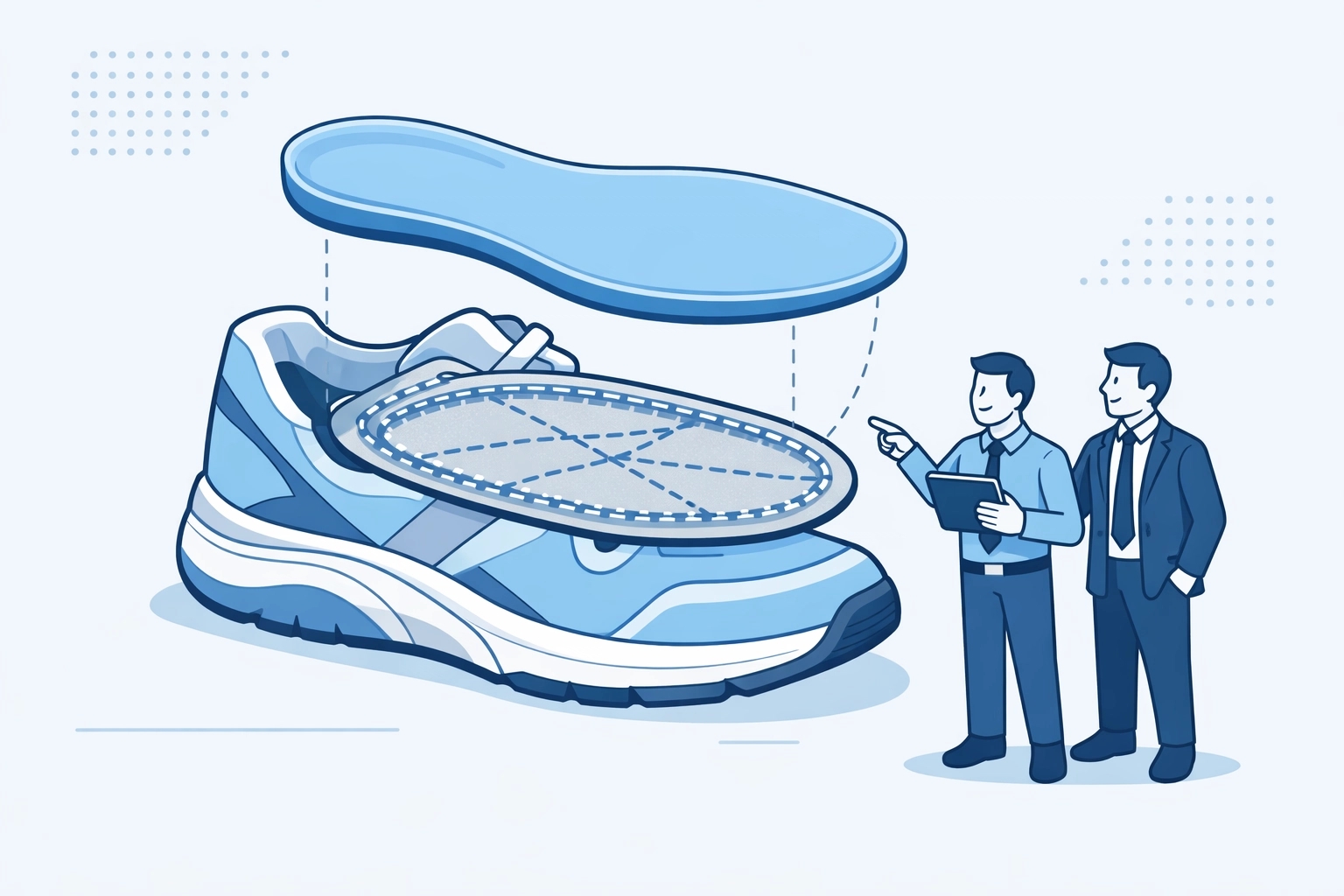
Are you checking the strobel board stitching under the insole? Are you looking at the tooling codes embossed on the bottom of the insole? Are you checking if the UPC code on the size tag actually matches the production run for that specific size and year?
The Fix: You need to go deep. Check the interior stitching patterns. Authentic brands use specific, consistent machinery for their "invisible" construction. If the stitching under the insole looks like it was done by hand or has messy tension, walk away.
5. Making Snap Judgments
If you’re authenticating a $1,500 pair of sneakers in thirty seconds, you aren't authenticating; you’re guessing. Scammers love a "rushed" environment. They’ll meet you in a dark parking lot or a busy coffee shop and tell you they’re in a hurry.
When you rush, you miss the tiny details: the slight "peak" on a leather cut, the incorrect thread thickness on the tongue tag, or the wrong texture on the outsole.
The Fix: Take your time. If a seller is rushing you, that’s a red flag. Use a systematic approach. If you aren't 100% sure, tell them you need to run it through your professional authentication process first.
6. The "Self-Proclaimed Expert" Problem
We all have that one friend who "knows shoes." But unless your friend is looking at five hundred pairs of sneakers a day across every brand and release, they are going to miss things. Human error is the number one reason fakes make it into the ecosystem.
For a pawn shop or a resale store, "I thought it looked real" is a very expensive sentence to say to a disappointed customer (or a lawyer).
The Fix: Move beyond "opinion" and move toward the ACE Standard.
At Authenticate Pro, we utilize a Patented process known as the ACE Standard: Authentication · Community · Experts. This isn't just one person’s opinion; it’s a rigorous system that connects you with specialized brand experts who live and breathe specific sneaker lines.
7. Failing to Secure the "Authenticated" Status
You’ve done the work. You’ve verified the shoe is real. Now, you put it on the shelf or ship it to a buyer. But how does the buyer know it’s the same pair you authenticated? What’s stopping a shady buyer from "swapping" your real pair for a fake and asking for a refund?
Without a physical, tamper-proof connection between the authentication and the product, the trust is broken the moment the shoe leaves your hands.
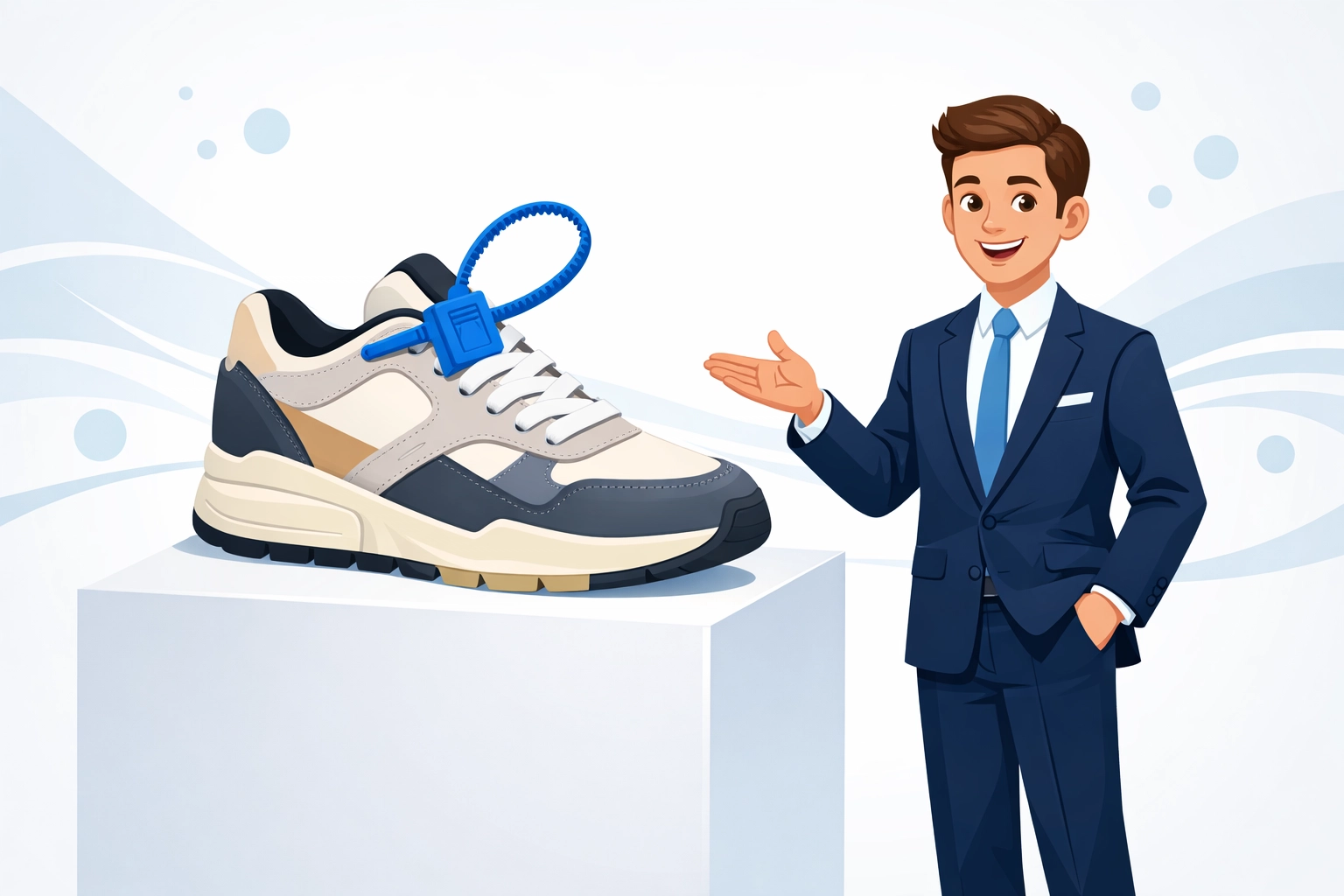
The Fix: The Blue Zip Tie.
When you use Authenticate Pro, the ultimate mark of trust is our bright blue AP security zip tie. It’s not just a tag; it’s a signal to the world that this item has been verified by the best in the business. It protects the seller from "switch-and-return" scams and gives the buyer total peace of mind. If that blue tie is on there, the trust is locked in.
Why "Good Enough" is a Recipe for Disaster
In the sneaker world, reputation is everything. If you’re a pawn shop owner and you accidentally sell a pair of fake Jordans, you didn't just lose the profit on that sale: you lost the trust of every sneakerhead in a ten-mile radius. News travels fast in the community.
This is why we created a platform that takes the guesswork out of the equation. We provide:
- Human Brand Experts: Our experts specialize in specific brands. They know the difference between a 2016 release and a 2022 restock down to the millimeter.
- The ACE Standard: Our Patented Authentication · Community · Experts system ensures that every item is put through a rigorous, multi-point check.
- Peace of Mind: You get a digital record of the authentication and a physical security tag to prove it.
Stop Guessing. Start Verifying.
The "superfake" era is here, and it’s only getting tougher to spot the fakes. Don't let your business or your collection be a casualty of a scammer’s Photoshop skills or a "good" scent spray.
Whether you're looking for a one-time authentication or a membership to handle your store’s volume, we’ve got you covered.
Ready to protect your reputation?
Check out our pricing and join the community of professionals who refuse to get played.
Remember: If it hasn't been put through the ACE Standard, it's just a pair of shoes. Make sure your inventory is authenticated, verified, and secured with the blue tie.
Stay real out there, Ray. ✌️
Leave a Reply