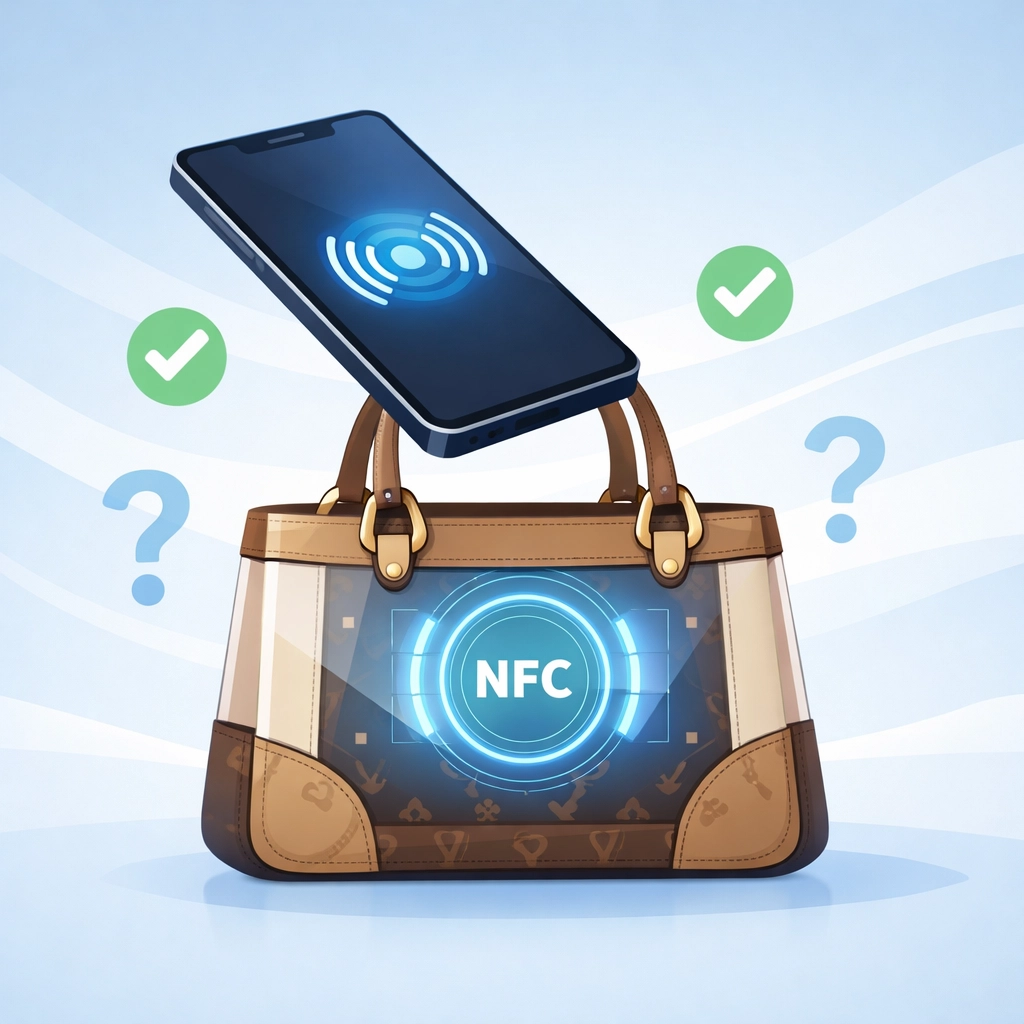
Walk into any luxury resale shop today and you'll hear it: "This Louis Vuitton has an NFC tag, it's authentic."
Tap your phone. Green checkmark appears. Case closed, right?
Not exactly.
NFC tags are the latest tech darling in the luxury authentication game. Brands like Louis Vuitton and Chanel are embedding these tiny chips in their products, promising customers instant authentication with a smartphone tap. It sounds perfect. It sounds foolproof.
But here's what the luxury brands aren't telling you: counterfeiters are already cloning these tags.
The NFC Tag Promise (And Why It's Not Enough)
Let's be clear, NFC technology is impressive. Modern chips like NTAG® 424 DNA use advanced encryption. Each tap generates a unique cryptographic code that the server validates. In theory, this makes counterfeiting impossible.
In theory.
The reality? NFC tags have limitations that every pawn shop, consignment store, and luxury reseller needs to understand:
Traditional NFC tags lack robust security features. Not all NFC chips are created equal. The basic ones? They're vulnerable to cloning and data interception. Counterfeiters can copy the chip data and create fake tags that appear legitimate.
The verification infrastructure matters more than the chip itself. A sophisticated fake could include a cloned NFC tag paired with a fraudulent verification server. Your customer taps their phone, sees a "verified" message, and has no idea they're looking at an elaborate scam.
Tamper-evident doesn't mean tamper-proof. Yes, some NFC stickers show physical evidence when removed. But how many of your customers actually know what authentic tamper evidence looks like? Counterfeiters study these details too.
Counterfeiters Are Getting Smarter
Here's the uncomfortable truth: the counterfeit industry is a multi-billion-dollar operation staffed by people who study authentication methods for a living.
When luxury brands announced NFC integration, counterfeiters didn't pack up and go home. They adapted.
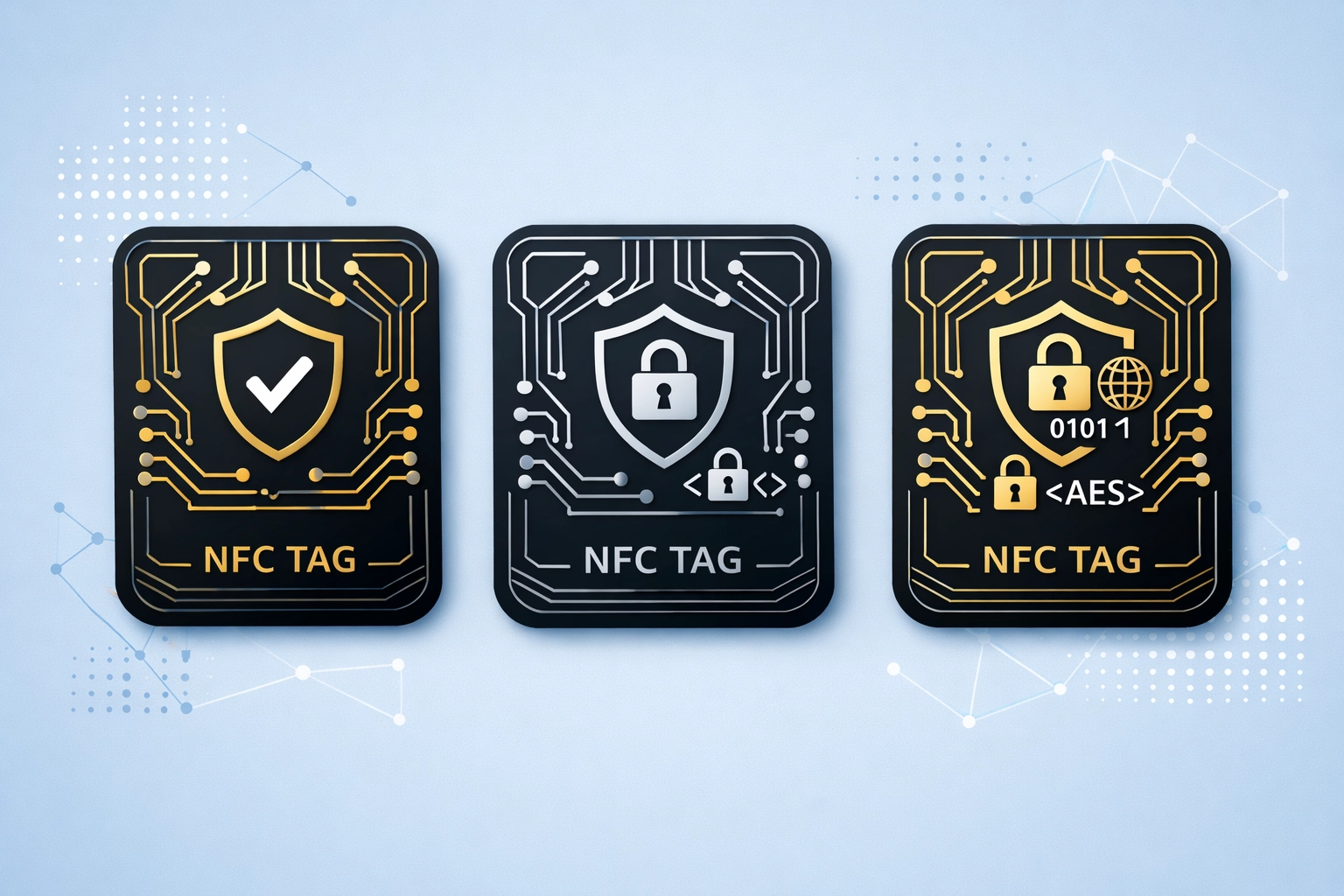
They're cloning encrypted chips. While advanced chips like NTAG® 424 DNA are harder to clone, counterfeiters are finding workarounds. They're creating fake verification pages that mimic the real thing. They're using cheaper NFC chips programmed to display green checkmarks.
They're exploiting customer trust in technology. Most customers don't understand encryption protocols or cryptographic authentication. They see a smartphone scanning technology and assume it's legitimate. That trust is a vulnerability.
They're moving faster than brands can respond. By the time a luxury house identifies a new counterfeiting method and updates their security, the fakes are already in circulation.
This isn't fear-mongering. It's the reality of operating in the luxury resale market in 2026.
Why Human Expertise Still Wins
Technology is a tool. A valuable tool, absolutely. But it's not a replacement for trained human eyes and decades of experience.
Think about it this way: NFC tags can tell you if a chip matches a database entry. They can't tell you if the stitching pattern is wrong. They can't spot the subtle difference in leather grain. They can't notice that the hardware weight feels off.
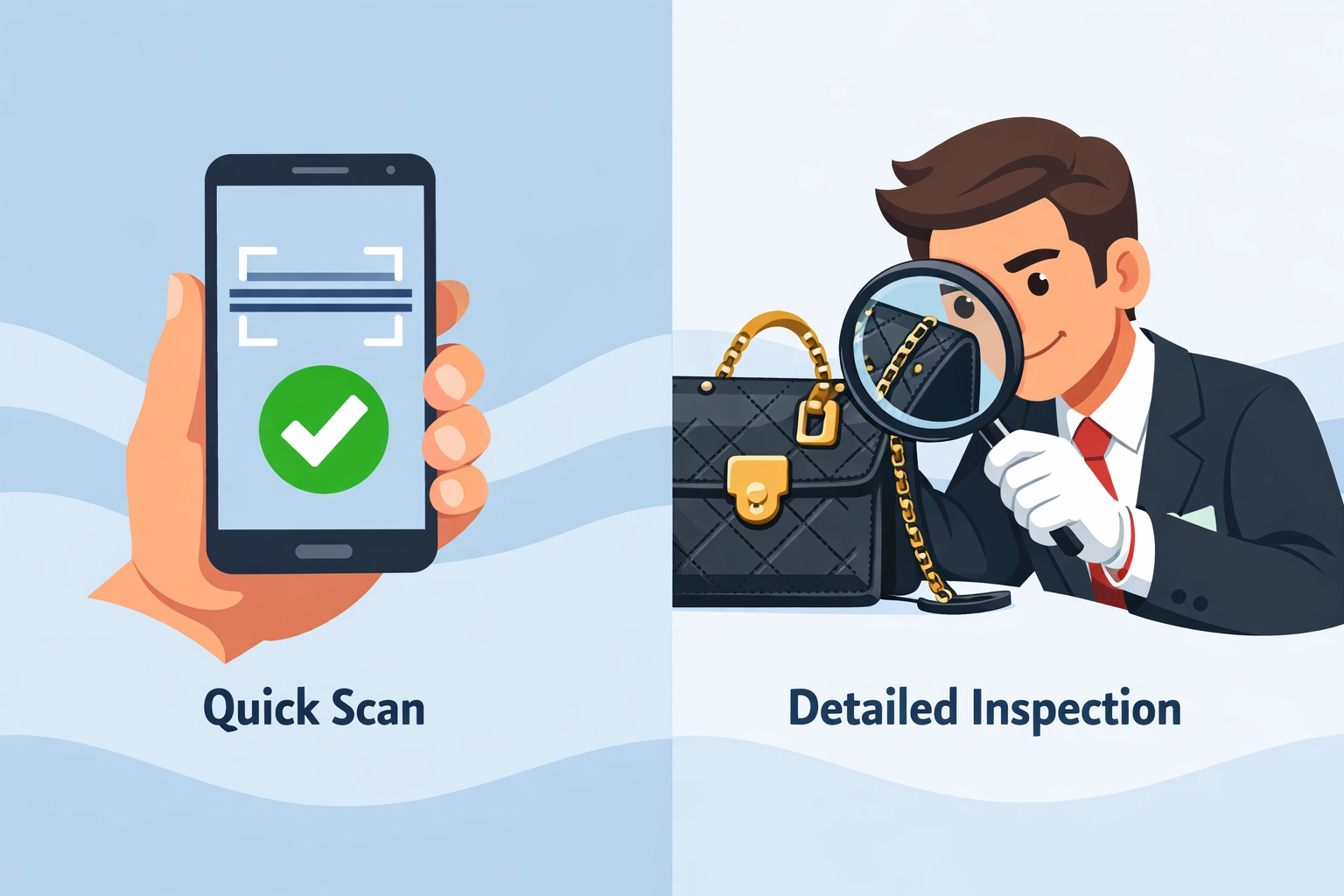
Expert authenticators look at hundreds of data points. Construction methods. Material quality. Hardware specifications. Font styles. Stamping depth. Date codes. The way components age over time. No NFC chip captures all of that.
Counterfeiters make mistakes that tech can't catch. A cloned NFC tag might pass digital verification, but an expert will notice the glazing is wrong or the zipper pull doesn't match the production year.
Authentication requires context that algorithms don't have. An experienced authenticator knows which specific batches had manufacturing variations. They understand regional differences in authentic items. They track evolving counterfeiting techniques in real-time.
This is where the ACE Standard, Authentication · Community · Experts, becomes critical.
The Patented ACE Standard: Where Tech Meets Truth
Authenticate Pro didn't build our platform on the assumption that one solution fits all authentication challenges. We built it on a patented three-pillar approach that combines technology with irreplaceable human expertise.
Authentication: Physical verification by trained experts who examine items against comprehensive databases and years of hands-on experience.
Community: A network of authenticated professionals sharing intelligence about emerging counterfeits and evolving techniques.
Experts: Access to specialists who know luxury brands inside and out, not just algorithms, but people who understand craftsmanship.

Here's what that looks like in practice:
A customer brings in a Chanel bag with an NFC tag. You tap it. The tag says authentic.
But an Authenticate Pro expert notices the chain weight is slightly off. The quilting pattern doesn't align at the seams the way it should. The stamping font has subtle inconsistencies.
Further investigation reveals a sophisticated fake with a cloned NFC chip and a fraudulent verification page designed to look like Chanel's official system.
The NFC tag said authentic. The expert caught the fake.
That's the difference between technology alone and technology backed by real expertise.
What This Means for Your Shop
If you're running a pawn shop, consignment store, or luxury resale operation, you need a blunt assessment of your authentication strategy.
Don't rely on NFC tags as your only verification method. They're part of the puzzle, not the complete picture. Counterfeiters are already exploiting customer confidence in chip technology.
Don't assume brand-provided authentication tools are foolproof. Luxury houses have incentives to make authentication seem simple and accessible. But they're not protecting your shop from liability when you accept a sophisticated fake.
Don't risk your reputation on technology you don't control. When that cloned NFC tag gets past your verification process and your customer discovers they bought a fake, "but the chip said it was real" won't save your business.
You need a verification process that includes expert human authentication. Period.
Authenticate Pro: The Bridge Between Tech and Peace of Mind
This is exactly why Authenticate Pro exists.
We're not anti-technology. We use advanced tools, digital databases, and yes, we verify NFC tags when brands implement them properly. But we also understand that technology is only as good as the expertise behind it.
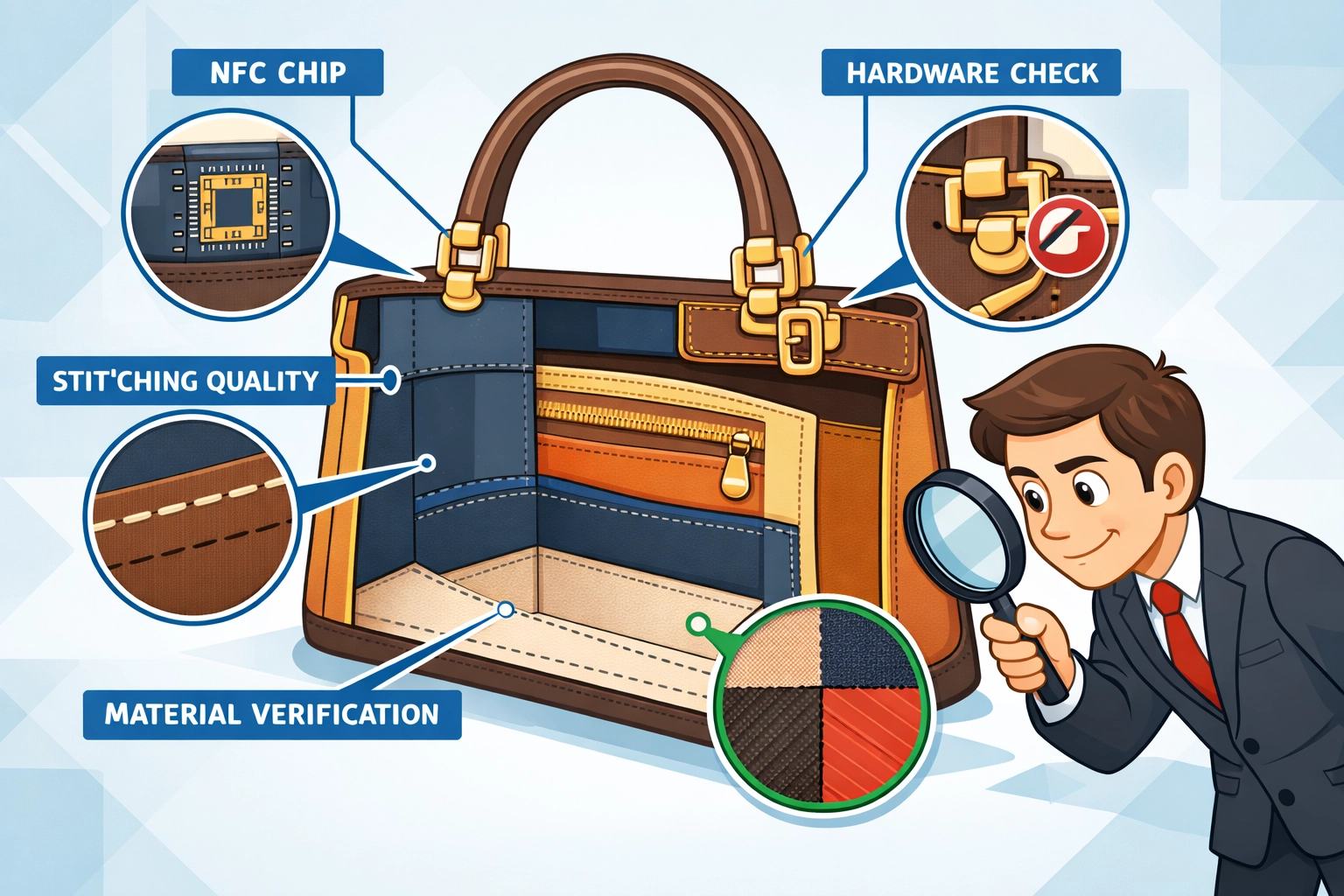
Our platform gives you access to professional authenticators who know how to spot the fakes that fool the chips. We provide verified authentication documentation that protects your shop and builds customer confidence. We keep you updated on emerging counterfeiting techniques that NFC systems haven't caught up with yet.
For high-ticket luxury items, that expert verification isn't optional anymore. It's the difference between confidently closing a sale and discovering three months later that you accepted a $4,000 counterfeit Hermès bag with a cloned NFC tag.
The Bottom Line
Do you really need professional authentication if designer items have NFC tags?
Yes. Absolutely yes.
NFC technology is valuable. It's part of the authentication ecosystem. But it's not a replacement for trained experts who understand that luxury authentication requires more than scanning a chip.
Counterfeiters are sophisticated. They're well-funded. They're studying the same technology that brands are implementing. And they're betting that shops will trust a green checkmark on a smartphone screen over decades of authentication expertise.
Don't make that bet.
The ACE Standard: Authentication · Community · Experts: exists because luxury authentication requires a comprehensive approach. Technology helps. Human expertise protects.
Your shop deserves both.
Want to see how Authenticate Pro's expert verification process works alongside modern authentication technology? Visit authenticatepro.app or check out our membership options designed specifically for luxury resellers who refuse to compromise on authentication quality.
Because when a customer asks "Is this real?": you need an answer that goes deeper than what any chip can provide.
Leave a Reply